
Not getting calls or visibility from your Google Business Profile — even after optimization?
The problem might not be effort… it might be hidden mistakes inside your listing.
This Google My Business audit checklist will help you uncover critical errors, fix local SEO gaps, and improve your local rankings step-by-step in 2026.
Many businesses lose traffic simply because small GMB issues go unnoticed. A proper audit ensures your profile is fully optimized, aligned with local search intent, and sending the right signals to Google.
In this guide, you’ll learn exactly how to audit your Google Business Profile and build a stronger local SEO foundation that drives consistent leads.
Table of Contents
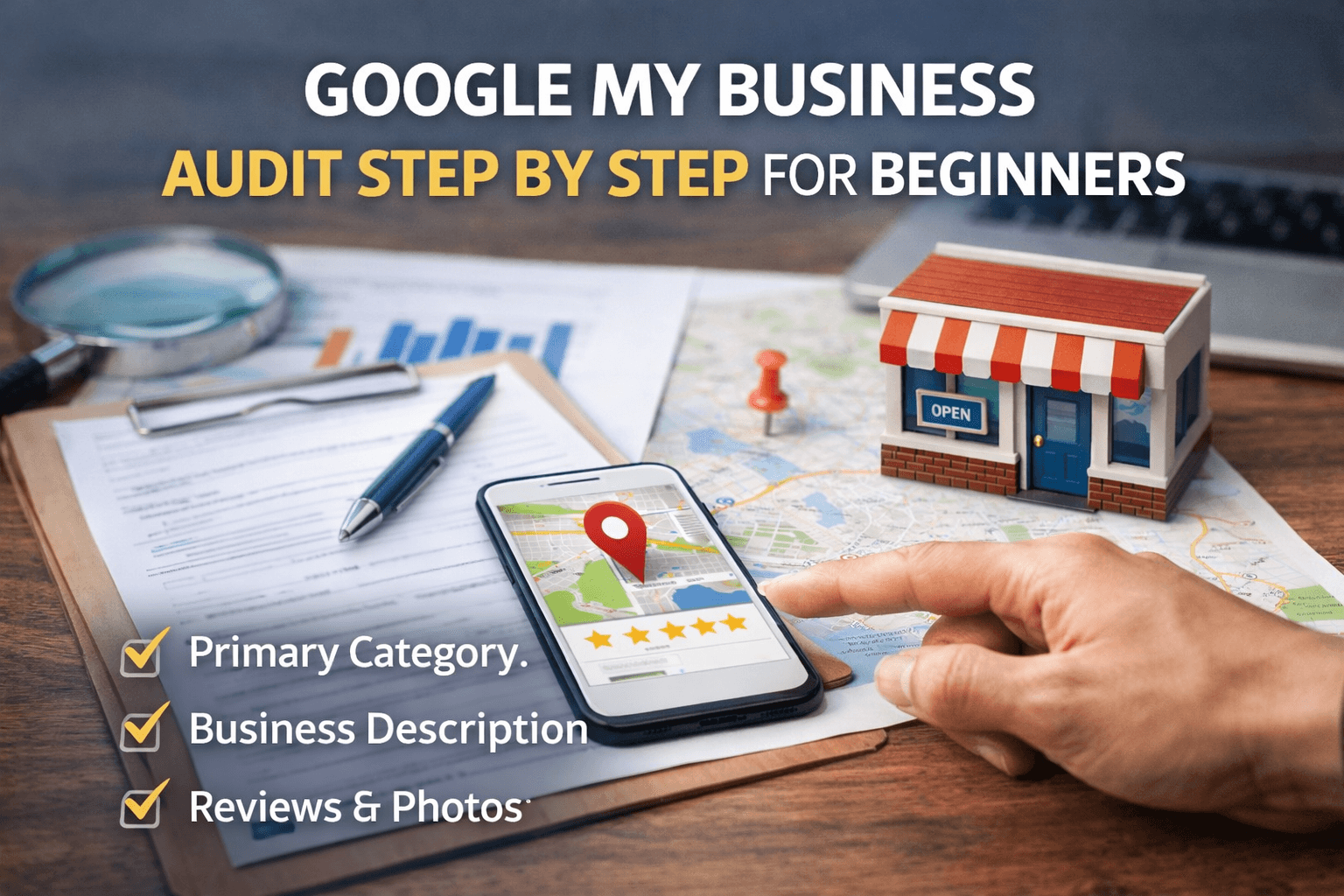
If you’re new to local SEO, follow this Google My Business audit step by step for beginners guide to understand how each audit action works in practice.
What Does “Think Local SEO” Really Mean?
Local SEO is not about ranking everywhere. It’s about ranking where your customers are.
When I say “think local SEO,” I mean:
- Targeting people near your business location
- Showing up in Google Maps
- Appearing in the local 3-pack
- Getting calls, visits, and direction requests
Local SEO works best when your Google My Business profile is strong, accurate, and active. Without that, even the best website may not perform well locally.
Why Google My Business Is the Foundation of Local SEO
Google My Business (now called Google Business Profile) is one of the most powerful free tools Google provides for local businesses.
Your GMB profile helps Google understand:
- What your business does
- Where it is located
- When it is open
- How trustworthy it is
When someone searches “near me” or types a service with a city name, Google often shows GMB listings before websites.
That’s why ignoring your GMB profile is one of the biggest local SEO mistakes.
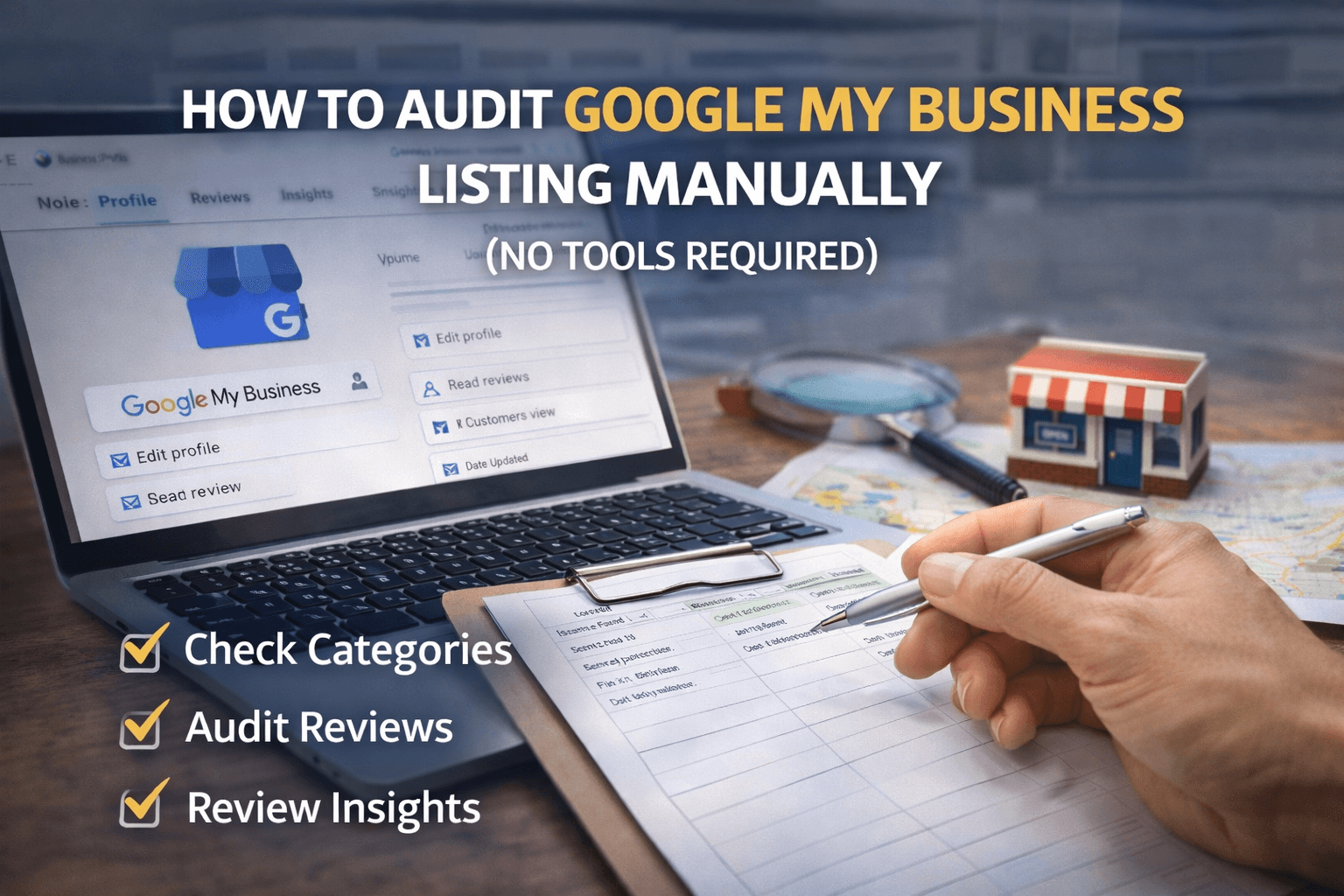
What Is a Google My Business Audit?
A Google My Business audit checklist is a full check of your business profile to find:
- Missing information
- Incorrect details
- SEO mistakes
- Trust and visibility issues
I always say this:
👉 You can’t fix what you don’t check.
A proper GMB audit shows you why your competitors are ranking above you and what you need to improve to beat them.
Why Think Local SEO Google My Business Audits Are Important
Many business owners set up their GMB profile once and never touch it again. That’s a big problem.
Here’s why audits matter:
1. Google Changes Rules Often
Google keeps updating its local ranking factors. What was effective a year ago might not be effective now.
2. Small Errors Hurt Rankings
Wrong category, missing services, or inconsistent NAP details can drop your visibility.
3. Competitors Are Always Improving
If your competitors update their profiles and you don’t, Google may trust them more.
A regular Google My Business audit helps you stay ahead.
Key Areas I Check During a Google My Business Audit
When I perform a Think Local SEO Google My Business audit, I focus on these important areas:
1. Business Name, Address, and Phone (NAP)
Your NAP must be:
- Accurate
- Same everywhere online
- Properly formatted
Even small differences confuse Google and reduce trust.
2. Primary and Secondary Categories
Choosing the right category is one of the most powerful ranking factors.
I always check:
- Is the primary category correct?
- Are important secondary categories missing?
Wrong categories = wrong audience.
3. Business Description Optimization
Many descriptions are either empty or poorly written.
A good description should:
- Clearly explain what you do
- Include local keywords naturally
- Sound human, not robotic
This helps both Google and customers.
4. Services and Products Section
This section is often ignored, but it’s very important.
I make sure:
- All services are listed
- Service names include local intent where possible
- Descriptions are clear and helpful
5. Photos and Visual Content
Businesses with consistent photos receive more calls and clicks.
During an audit, I check:
- Profile photo quality
- Cover image relevance
- Real business photos (not stock only)
- Regular photo updates
6. Reviews and Ratings
Reviews are a strong trust signal.
I audit:
- Review count
- Review quality
- Owner responses
- Keywords inside reviews
Google can determine a firm is active if it responds to reviews.
7. Business Hours and Special Hours
Incorrect hours can:
- Frustrate customers
- Increase negative reviews
- Reduce trust
I always double-check regular and holiday hours.
8. GMB Posts Activity
Posting updates on GMB helps with engagement.
I check:
- Are posts being published?
- Are they useful?
- Do they include calls to action?
Even simple posts make a difference.
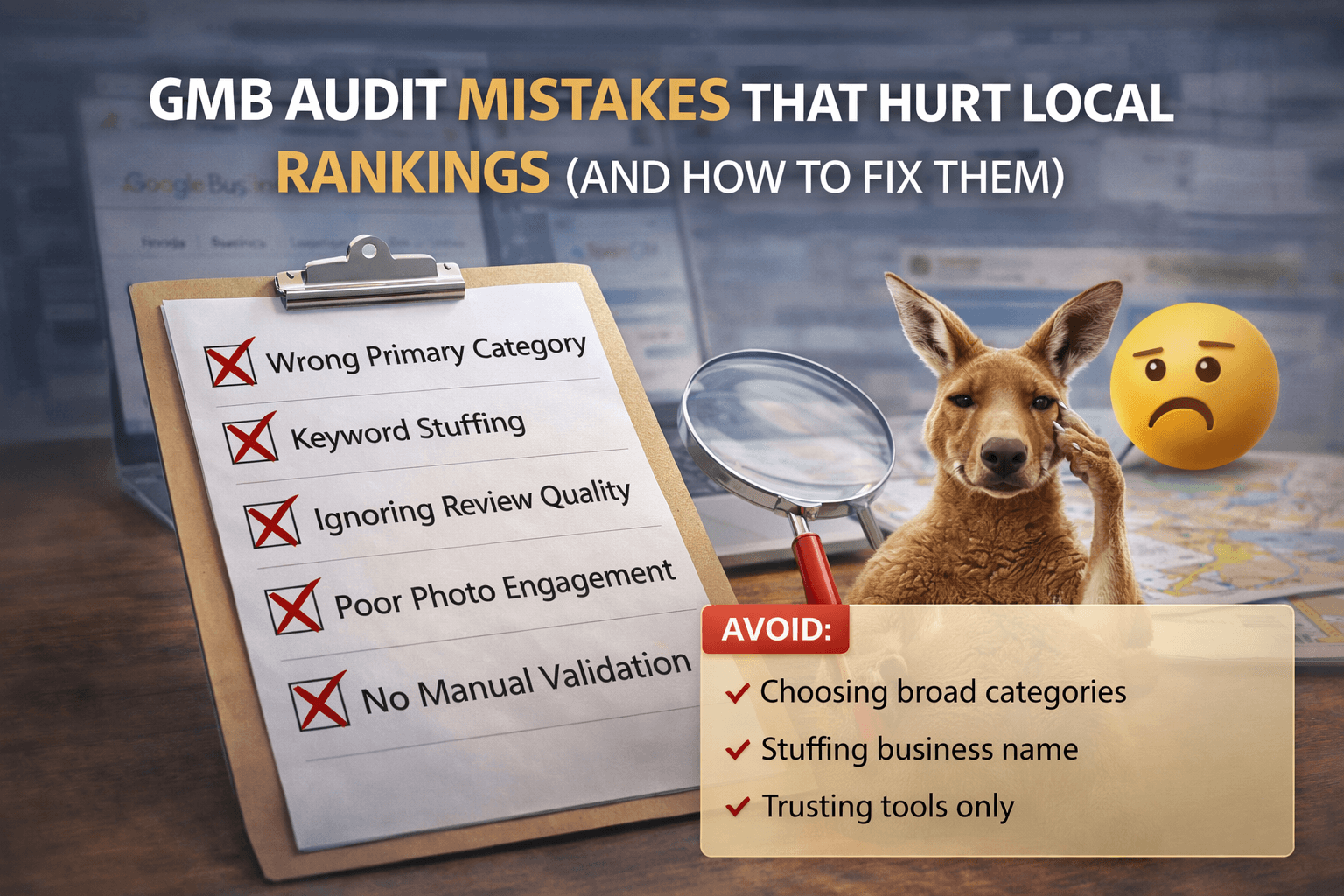
Common Google My Business Mistakes I See
Here are mistakes I see again and again during audits:
- Wrong business category
- Keyword stuffing in business name
- No service area defined
- Duplicate listings
- Ignoring customer reviews
- No local keywords at all
All these issues block local growth.
How Google My Business Audits Improve Local Rankings
After fixing audit issues, I usually notice:
- Better visibility in Google Maps
- More calls and direction requests
- Higher engagement on the profile
- Increased trust from Google
Local SEO works faster when your GMB profile is clean and optimized.
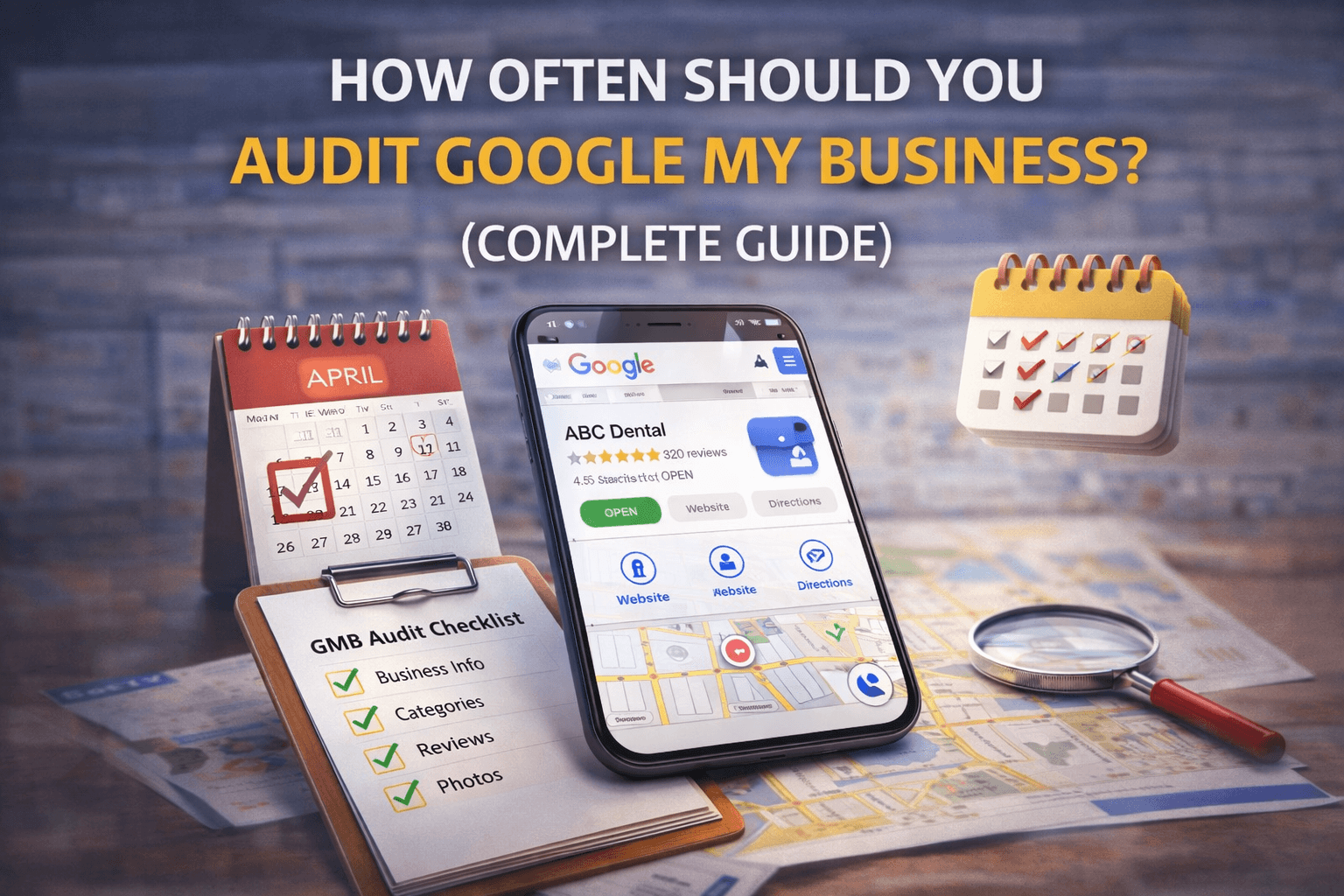
How Often Should You Do a GMB Audit?
I recommend:
- Every 3 months for active businesses
- Immediately if rankings drop
- Before starting local SEO work
Local competition changes quickly, so regular audits are necessary.
Final Thoughts: Always Think Local SEO First
If your business depends on local customers, thinking local SEO is not optional.
Your Google My Business profile is often the first impression people get of your business.
A proper Think Local SEO Google My Business audit helps you:
- Fix hidden issues
- Beat local competitors
- Get more calls and visits
- Grow without paid ads
From my experience, businesses that take GMB audits seriously always perform better locally.
If you want real local growth, start with your Google My Business profile—because that’s where local SEO truly begins.