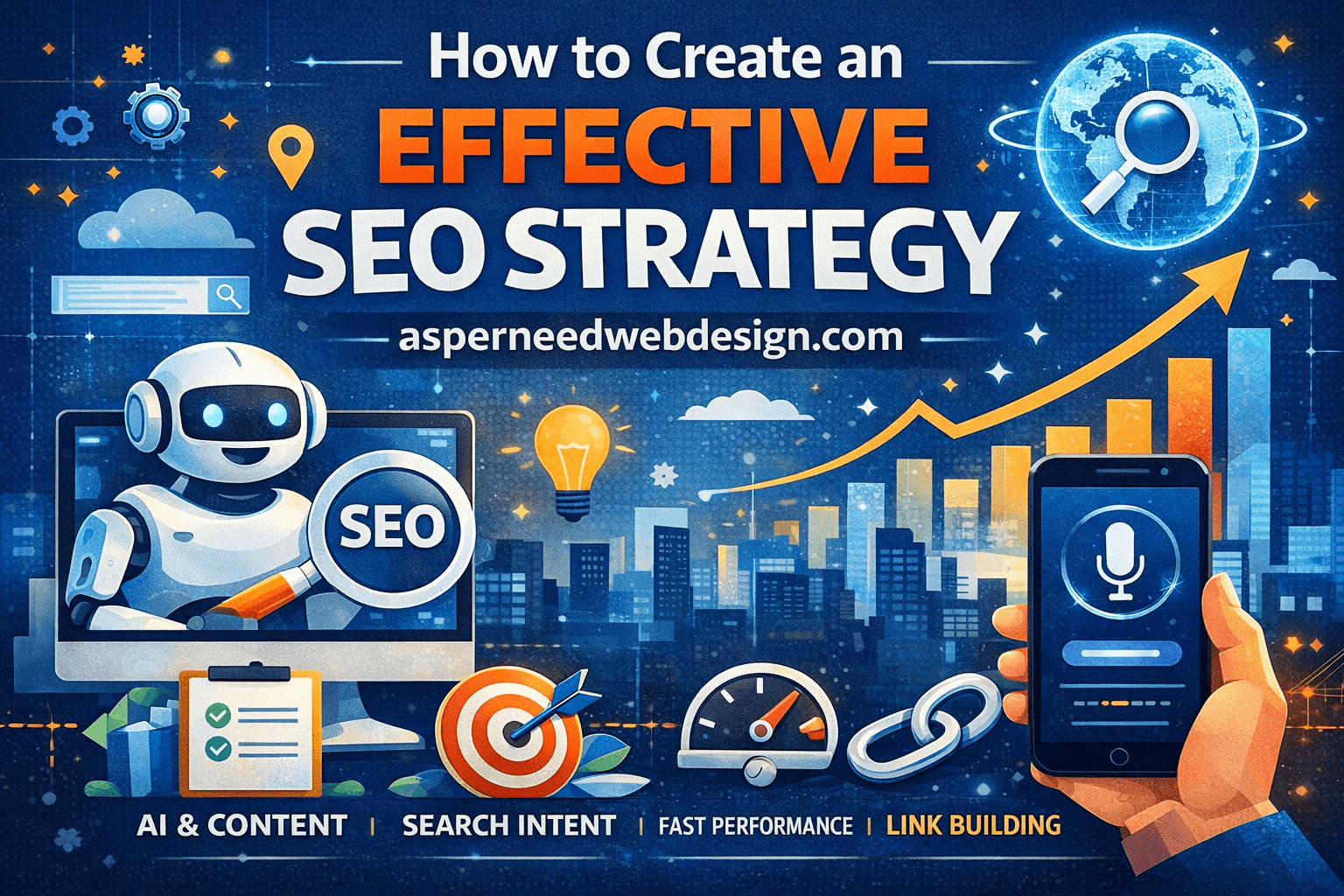
SEO is not what it used to be a few years ago. In 2026, search engines are smarter, users are more demanding, and shortcuts no longer work. I have seen one clear thing over time — SEO is now more about users than algorithms.
If you want your website to rank in 2026, you need a strategy that focuses on quality, intent, experience, and consistency. In this article, I’ll share how I would create an effective SEO strategy in 2026, step by step, in a simple and practical way.
Table of Contents
Understand How SEO Has Changed in 2026
Before creating any strategy, I first try to understand how SEO has evolved.
In 2026:
- Google understands search intent better than ever
- AI-powered search results are common
- Low-quality content does not survive
- User experience plays a huge role
- Brand trust matters more than backlinks alone
SEO is no longer about stuffing keywords. It’s about solving real problems clearly and honestly.
Start With Clear SEO Goals
Every SEO strategy should start with clear goals. I always ask myself:
- Do I want more traffic or better leads?
- Am I targeting local users or global users?
- Do I want fast results or long-term growth?
In 2026, SEO is a long-term investment, not a quick trick. Setting realistic goals helps me plan content, keywords, and technical work properly.
Focus on Search Intent, Not Just Keywords
Keyword research is still important, but the way we use keywords has changed.
Instead of targeting one keyword, I now focus on:
- What the user really wants
- What problem they are trying to solve
- What type of content they expect
For example:
- “SEO strategy 2026” → informational
- “SEO services near me” → commercial
- “Best SEO tools” → comparison
I always create content that matches the intent, not just the keyword.
Create Helpful, Experience-Based Content
In 2026, content that feels real performs better.
I try to:
- Write from personal experience
- Share real examples
- Keep sentences simple
- Avoid unnecessary fluff
Google prefers content that shows experience, expertise, and trust. I don’t try to sound smart. I try to sound useful.
Long-form content (800–1500 words) still works well if it is easy to read and well structured.
Use Topic Clusters Instead of Single Posts
One of the most effective SEO strategies in 2026 is topic clustering.
Instead of writing random blog posts, I create:
- One main pillar article
- Multiple supporting articles
- Strong internal linking between them
This helps search engines understand that my site is an authority on that topic. It also improves user engagement and time on site.
Optimize for AI and Voice Search
AI search results and voice search are growing fast.
To optimize for them, I:
- Use natural language
- Answer questions clearly
- Add FAQ sections
- Use short and direct answers
People speak differently than they type. So I write content that sounds like a real conversation.
Technical SEO Still Matters a Lot
Even the best content will not rank if the website is slow or broken.
In my SEO strategy, I always check:
- Page speed
- Mobile friendliness
- Core Web Vitals
- Proper indexing
- Clean URL structure
In 2026, user experience is SEO. A fast and smooth website helps both users and search engines.
Internal Linking Is More Powerful Than Ever
Many people ignore internal linking, but I consider it a strong SEO weapon.
Good internal linking:
- Helps Google crawl pages better
- Passes authority between pages
- Improves user navigation
I always link related articles naturally and avoid overdoing it. Simple, relevant links work best.
Build Trust, Not Just Backlinks
Backlinks still matter, but spam links don’t.
In 2026, I focus on:
- Brand mentions
- Real partnerships
- Helpful content that earns links naturally
Even without many backlinks, a site with strong content and user trust can rank well. I avoid shortcuts because they don’t last.
Optimize for Featured Snippets and Zero-Click Searches
Many searches now end without a click.
To stay visible, I optimize for:
- Featured snippets
- People Also Ask
- AI summaries
I use:
- Bullet points
- Clear headings
- Simple definitions
- Step-by-step answers
This increases visibility even if users don’t click immediately.
Use Data, But Don’t Overthink It
I regularly check:
- Google Search Console
- Google Analytics
- Keyword performance
- User behavior
But I don’t chase numbers blindly. If users are happy and content is helpful, rankings usually follow.
SEO in 2026 is about balance, not obsession.
Keep Updating Old Content
One mistake many people make is forgetting old posts.
I often:
- Update outdated information
- Improve readability
- Add new sections
- Refresh keywords
In several cases, updated material beats newly released content. Google likes freshness when it adds value.
Be Consistent and Patient
SEO does not work overnight, especially in 2026.
I focus on:
- Consistent publishing
- Steady improvements
- Honest practices
Shortcuts may give quick results, but they don’t last. A clean and user-focused strategy always wins in the long run.
Final Thoughts
Creating an effective SEO strategy in 2026 is not complicated, but it requires the right mindset.
For me, SEO is about:
- Understanding users
- Creating helpful content
- Improving experience
- Building trust over time
If you focus on people first and search engines second, your SEO strategy will naturally become stronger.
SEO will continue to change, but one thing will remain the same — helpful content always wins.